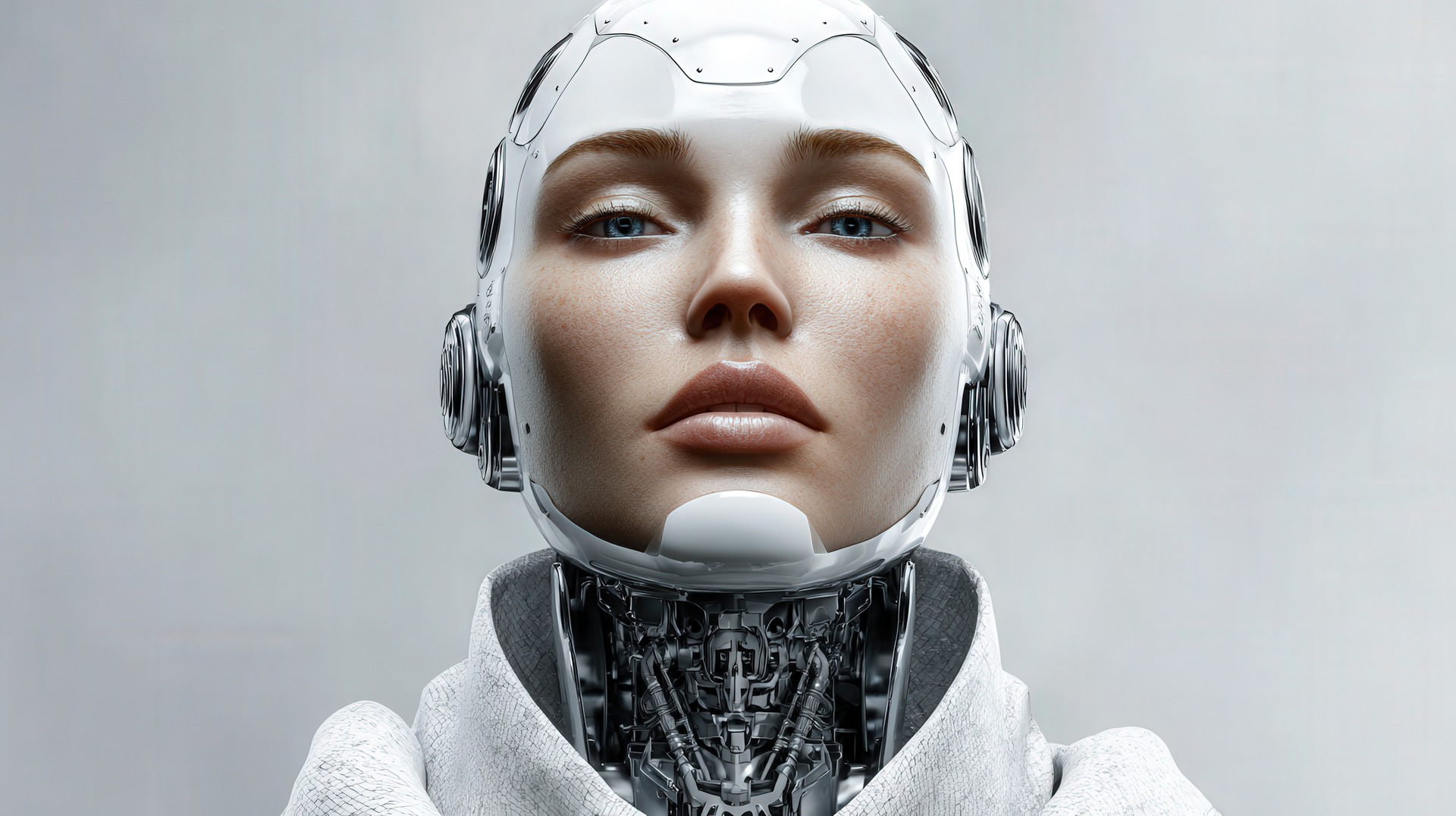
Over the past few years, artificial intelligence (AI) has taken on an increasingly important role in the workplace. The HR function, and recruitment in particular, is no exception. As technology continues to evolve, many tasks that previously required significant time and effort from recruiters have become partially or fully automatable. The goal, however, is not necessarily for AI to replace recruiters, but rather to support recruitment professionals in working more efficiently, effectively, and strategically.
The growing adoption of AI is becoming increasingly visible in the Hungarian labour market as well. According to a 2026 survey by Profession.hu, 47% of the companies surveyed already use AI-powered solutions in their day-to-day operations. One of the most significant benefits of AI in recruitment is time savings. Organisations leveraging AI frequently highlight increased efficiency and reduced administrative workload as key advantages. As a result, AI can support tasks that previously required substantial manual effort. [1]
One of the earliest stages of the recruitment process where AI can provide tangible value is job advertisement creation. Generative AI tools can help structure job postings, refine language, and tailor communication to specific target audiences. This can be particularly useful for organisations recruiting for multiple positions or creating advertisements in multiple languages. Even in this context, however, AI serves primarily as a supporting tool. Defining the actual responsibilities of the role, reflecting the company culture, and determining the truly critical requirements remain the responsibility of HR professionals and hiring managers. [2]
AI can also bring significant changes to candidate sourcing and pre-screening processes. Beyond traditional keyword searches, an increasing number of solutions are capable of interpreting candidates’ experience and skills in a more sophisticated way. AI enables recruiters to process larger volumes of CVs and candidate profiles in a shorter period of time while making it easier to identify the experiences most relevant to a particular position. For example, Profession.hu’s AI Screener solution can compare candidates’ CVs directly against the requirements outlined in a job advertisement. [3]
A similar trend can be observed internationally. According to LinkedIn’s Future of Recruiting research, recruitment organisations are increasingly integrating and testing generative AI solutions. For recruiters already using AI, one of the technology’s greatest benefits is its ability to free up valuable time. This time can then be redirected toward candidate evaluation, skills assessment, candidate engagement, and more strategic recruitment activities. [4]
At the same time, the adoption of AI does not mean that the human element will disappear from recruitment. On the contrary, as more administrative and repetitive tasks become automated, the importance of uniquely human skills is likely to increase. These include communication, relationship building, asking the right questions, understanding candidate motivations, and effectively collaborating with hiring managers. As a result, the role of the recruiter is gradually shifting away from administrative responsibilities toward a more consultative and strategic function.
However, alongside the opportunities offered by AI, issues such as data privacy, transparency, and potential bias cannot be overlooked. This is particularly important in recruitment, where the outputs of AI systems may directly influence whether a candidate advances to the next stage of the hiring process. The European Union’s AI Act classifies certain AI systems used in recruitment and hiring as high-risk applications. Key elements of the regulation include human oversight, data quality, traceability, and risk management. [5]
Overall, artificial intelligence is becoming an increasingly integral part of the modern recruiter’s toolkit. It can help organisations identify relevant candidates more quickly, reduce administrative burdens, support pre-screening activities, and free up valuable time for recruitment professionals. However, the true value of AI lies not simply in automating processes, but in allowing recruiters to focus more on the tasks that still require human expertise: building relationships, exercising professional judgement, and applying experience. As recruitment continues to evolve, the collaboration between AI and recruiters is expected to become increasingly important.
References
[1] Profession.hu (2026). Mesterséges intelligencia a cégeknél: az alkalmazása ma még versenyelőny a hiánya holnap már versenyhátrány.
Profession.hu – Mesterséges intelligencia a cégeknél
– A hazai vállalatok AI-használata, valamint a technológia hatékonyságra és időmegtakarításra gyakorolt hatása.
[2] Profession.hu (2026). AI a toborzásban – Gyakorlati tanácsok az első lépésekhez.
Profession.hu – AI a toborzásban
– A generatív AI gyakorlati alkalmazása a toborzásban többek között az álláshirdetések elkészítésében.
[3] Profession.hu (2026). Kevesebb felesleges kör. Több jó találat – AI Screener a Profession.hu-n.
Profession.hu – AI Screener
– AI-alapú önéletrajz-előszűrés és a kiválasztási folyamat támogatása.
[4] LinkedIn (2025). The Future of Recruiting 2025 – How AI redefines recruiting excellence.
LinkedIn – The Future of Recruiting 2025
– Nemzetközi kutatás a generatív AI toborzásban betöltött szerepéről a hatékonyságnövekedésről és a recruiter szerepének átalakulásáról.
[5] Európai Bizottság (2026). AI Act – Regulatory framework for artificial intelligence.
European Commission – AI Act
– Az Európai Unió mesterségesintelligencia-szabályozása különös tekintettel a foglalkoztatásban és toborzásban alkalmazott AI-rendszerekre.
[6] Európai Bizottság (2026). Navigating the AI Act – Frequently Asked Questions.
European Commission – Navigating the AI Act
– A mesterséges intelligencia munkaerő-felvételben történő alkalmazásának szabályozási háttere az emberi felügyelet és az átláthatóság kérdése.
